Did the next step happen?
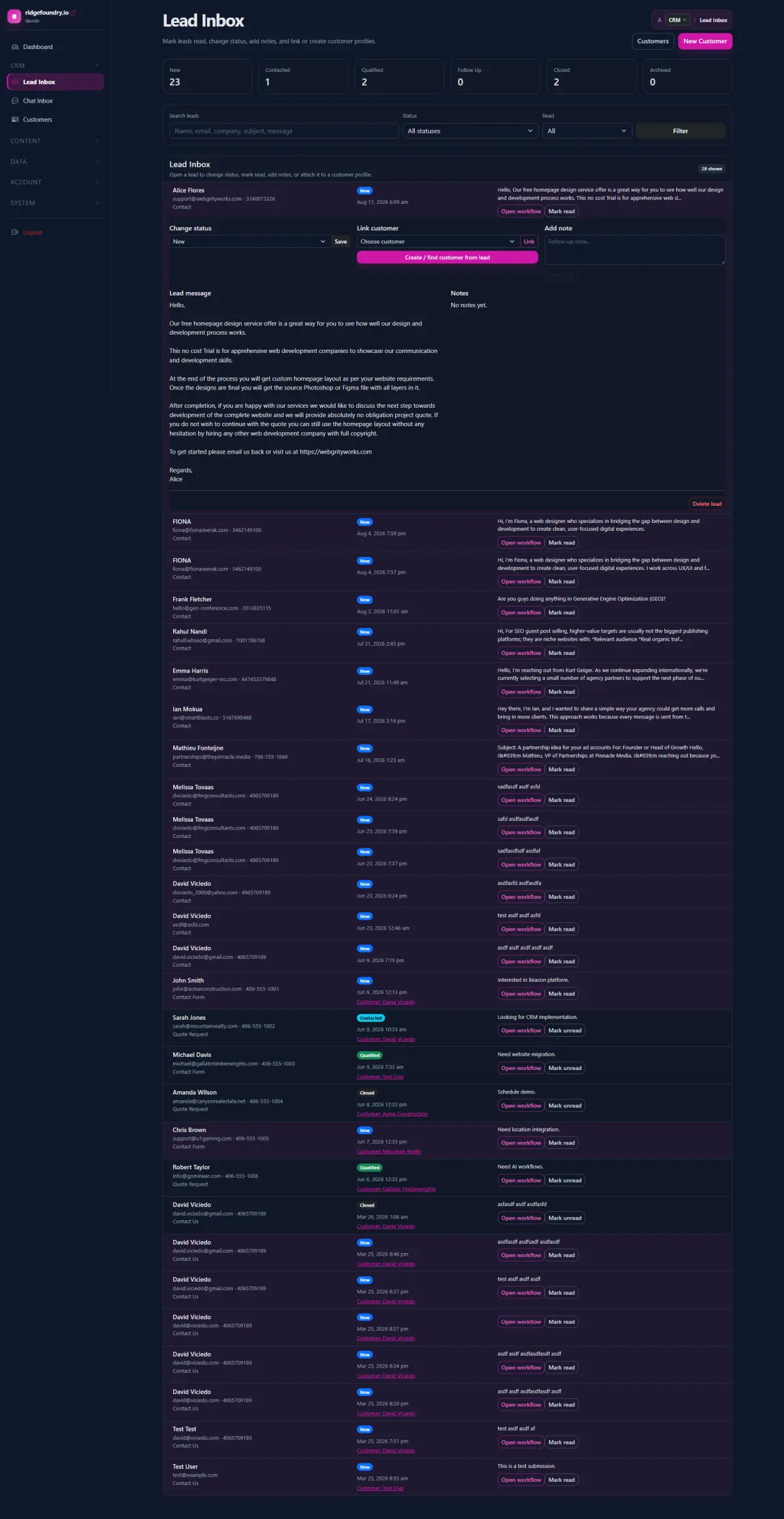
Did the form come in? Was the customer contacted? Is the document missing? Did someone approve it? Is a deadline approaching? Operations agents can perform that routine observation and surface the exceptions that need people.
✓Check workflow status.
✓Find missing fields or documents.
✓Detect stalled work.
✓Prepare updates and summaries.
✓Escalate exceptions to the right person.
Give the agent clear operational responsibilities.
Monitor Status
Know where records are in the workflow.
Check Requirements
Identify missing fields, documents, approvals, or prerequisite steps.
Detect Stalled Work
Find items that have not progressed within expected timeframes.
Prepare Updates
Summarize what changed and what still needs attention.
Recommend Actions
Suggest the appropriate next step using workflow rules and context.
Escalate Exceptions
Bring unusual or important situations to the right person.
Let the system watch routine work and surface what changed.
Instead of repeatedly checking everything, staff can see concise exceptions: missing documents, projects with no recent activity, approvals holding up work, records ready for review, or deadlines that need attention.
Use deterministic rules where the answer is known. Use AI where interpretation helps.
If status equals approved, a normal workflow rule can assign the next step. If submitted notes need interpretation to determine whether more information is required, an AI agent can help prepare that judgment.
Configure the agent around the process, not around a generic assistant.
Projects & Service Delivery
Watch status, next actions, approvals, and client-facing milestones.
Applications & Programs
Check requirements, review state, assignments, and completion.
Internal Operations
Monitor requests, onboarding, compliance steps, document processing, and recurring workflows.
What does someone on your team have to check every day?
That recurring oversight is often a good candidate for an operations agent.